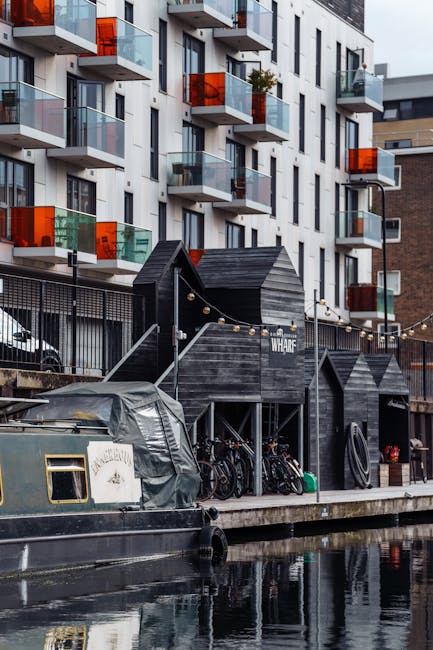
Gabriels Wharf access guide for Waterloo furniture removals
If you are planning a furniture move around Gabriels Wharf, the access side of the job matters just as much as the lifting. Narrow approaches, riverside footfall, timing around deliveries, and the simple challenge of getting a van close enough can turn a straightforward collection into a bit of a puzzle. This guide to Gabriels Wharf access guide for Waterloo furniture removals is designed to help you plan sensibly, reduce delays, and avoid the common headaches that catch people out on the day.
Whether you are moving a sofa, a dining set, office furniture, or a few awkward pieces that need careful handling, a good access plan saves time and stress. It also helps your removal team choose the right vehicle, prepare the right equipment, and decide whether services like man and van support, a moving van, or a larger removal van is the better fit. Let's face it, moving day is busy enough without playing van Tetris at the kerb.
This article breaks the process down in plain English: what Gabriels Wharf access usually means in practice, how to prepare for Waterloo furniture removals, what to check before booking, and how to make the actual move cleaner, quicker, and less chaotic. There is a lot here, but it is the useful kind.
Table of Contents
- Why Gabriels Wharf access guide for Waterloo furniture removals matters
- How Gabriels Wharf access guide for Waterloo furniture removals works
- Key benefits and practical advantages
- Who this is for and when it makes sense
- Step-by-step guidance
- Expert tips for better results
- Common mistakes to avoid
- Tools, resources and recommendations
- Law, compliance, standards, or best practice
- Options, methods, or comparison table
- Case study or real-world example
- Practical checklist
- Conclusion
- Frequently asked questions
Why Gabriels Wharf access guide for Waterloo furniture removals Matters
Gabriels Wharf is not the kind of place where you can casually assume a van will pull up right outside and stay there as long as needed. Riversides, shared pedestrian space, and busy central London streets create a moving environment where access has to be planned, not guessed. That is really the heart of the issue.
For furniture removals, access affects almost everything: how long loading takes, whether items need to be carried farther, how many people should help, and whether heavier items can move safely without damage. A large wardrobe that seems easy at home can become a nuisance if the route involves tight corners, steps, or limited stopping space. A small delay at the kerb can snowball into a whole afternoon of waiting and re-handling.
In Waterloo, those tiny practical details matter. If you are moving from a flat, riverside workspace, gallery, or mixed-use building, the difference between smooth and awkward often comes down to preparation. A proper access guide is not just a nice-to-have. It is the thing that helps a move feel calm rather than scrappy.
Expert summary: the better you understand access at Gabriels Wharf, the easier it is to choose the right vehicle, time the move well, protect your furniture, and keep costs under control.
If you are comparing removal options, it may also help to look at the broader service picture. Some moves suit full removal services, while smaller jobs work better with man with van support or a simple furniture collection through furniture pick-up. The access problem usually decides that for you before anything else does.
How Gabriels Wharf access guide for Waterloo furniture removals Works
Think of the access process as three linked decisions: where the vehicle can stop, how far items must be carried, and how long the loading window needs to be. That sounds basic, but it is where most of the real planning lives.
First, your mover checks the location and the practical route into and out of the building or collection point. At Gabriels Wharf, that might mean looking at pedestrian flow, loading feasibility, turning room, and whether the vehicle can wait safely while furniture is moved. There may also be building-specific rules such as booked slots, lift access, or management instructions. Those things are not glamorous, but they can make or break the day.
Next comes the furniture itself. A light chair set is one thing; a marble table, a three-seat sofa, or a dismantled bed frame is another. The shape, weight, and fragility of each item affect how much carrying space and protection you need. If the route involves a long walk from the van, professional movers will usually bring trolleys, blankets, straps, and protective wrapping to help reduce risk.
Finally, timing. In central London, timing often matters more than people expect. Early starts can help before foot traffic builds up. Midday can be awkward. Late-day moves can run into congestion or building restrictions. This is why Waterloo removals are often smoother when the schedule is built around access, not just around your own diary.
For larger or more complex loads, a moving truck or full house removals setup may be necessary. For lighter collections, a smaller van may be enough. The right answer depends less on the furniture list and more on how the access actually behaves on the day. That is the bit people underestimate.
Key Benefits and Practical Advantages
A well-planned access approach does more than prevent problems. It improves the whole move in ways that are easy to feel once everything starts happening.
- Less handling: the shorter and simpler the route, the lower the chance of scratches, chips, or dropped items.
- Faster loading: if the van can stop in the right place, the team can get on with the job instead of improvising.
- Lower stress: when everyone knows where to go and what to carry, the mood changes immediately. It becomes manageable.
- Better vehicle choice: the move can be matched to the right size of van, rather than overpaying for capacity you do not need.
- Cleaner budgeting: fewer delays usually mean fewer unexpected hours added to the job.
- Safer lifting: shorter carrying distances and proper equipment reduce strain on both movers and customers.
There is also a trust benefit that people do not always mention. A removal company that asks practical access questions early tends to be the one that knows what it is doing. That simple habit is a reassuring sign. You can learn a lot from the questions a mover asks before they quote.
For commercial customers moving furniture in or out of a workspace, access planning can also protect business continuity. If your chairs, desks, or storage units need to leave without disrupting the office for too long, services such as office removals or broader commercial moves are worth considering.
Who This Is For and When It Makes Sense
This guide is useful for a pretty wide range of people. If your move touches Gabriels Wharf or the Waterloo riverside area, there is a good chance you will benefit from thinking through access before the moving date arrives.
- Flat and apartment movers: especially if furniture must be carried through communal areas, lifts, or stairwells.
- Tenants and landlords: where checkout timing is tight and there is little room for delay.
- Homeowners: if you are relocating larger items and want a cleaner loading process.
- Businesses and studios: where desks, shelving, or equipment need to move without damaging floors or walls.
- Students and sharers: when the move is smaller but access is still awkward.
- Anyone booking a same-day or short-notice move: because access mistakes are harder to fix when time is tight.
It makes sense most when your furniture is bulky, valuable, or awkward to carry. A bedside table is not much of a problem. A sofa bed at rush hour near a riverside walkway, on the other hand, can become a bit of a scene. Not dramatic, just annoying.
If you are not sure whether your move needs a full team or a smaller setup, a sensible starting point is to review the options on removals and man and van removals. The best fit depends on scale, access, and how much help you want on the day.
Step-by-Step Guidance
Here is the practical version. Follow this order and you will usually avoid the most irritating problems.
- Confirm the exact pickup and drop-off points. Do not rely on vague directions like "near Gabriels Wharf." Pin down the building, entrance, and loading side if possible.
- Check access restrictions. Ask about vehicle stopping, booking windows, concierge rules, lift availability, and any time limits on loading.
- Measure the awkward items. Sofa length, wardrobe height, table width, mattress size. Old-fashioned tape measure stuff. Boring, but essential.
- Decide whether furniture needs dismantling. Some pieces move better in parts. A bed frame that comes apart neatly can save minutes and avoid damage.
- Match the van size to the route. If access is tight, a smaller vehicle may be easier even if it means an extra trip. That is often the smarter choice.
- Protect the furniture and the building. Use blankets, stretch wrap, corner protection, and floor-safe handling. In shared spaces, this matters a lot.
- Build in a time buffer. In Waterloo, ten spare minutes can be the difference between a relaxed move and a frantic one.
- Keep the contact person available. If the mover cannot reach you, small access issues can become larger ones very quickly.
One useful trick: walk the route yourself if you can. You will notice low ceilings, awkward turns, slick surfaces, or narrow points that are easy to miss in a text message. It is surprising how often a five-minute walk saves a half-hour of confusion.
Another practical point: if you are moving both home furniture and office items, separate them into priority groups before loading. That makes unloading faster and helps the team place things in the right order. Simple, but it works.
Expert Tips for Better Results
Little adjustments often make the biggest difference. In our experience, the best moves are rarely the most complicated ones. They are the ones where someone made a few thoughtful decisions early.
- Use a smaller vehicle where access is awkward. A slightly more compact van can save more time than a larger one if the approach is tight.
- Ask about loading help before the day. Some furniture cannot be safely shifted by one person alone.
- Label items clearly. Especially if you are mixing household pieces with office equipment or storage contents.
- Keep walkways clear. A tidy exit route reduces trip hazards and speeds up the job.
- Protect corners and frames. Door frames, walls, and bannisters usually lose that battle.
- Check weather conditions. Rain on a riverside route can change grip, handling, and carrying pace. London weather, bless it, can be a bit of a nuisance.
For customers who want extra help with boxes, wrapping, or room-by-room organisation, packing and unpacking services can reduce the load on moving day. That is especially useful if you are short on time or dealing with delicate items.
And one more: tell the mover about anything unusual, even if it feels small. A single step, a narrow stair landing, or an entrance that gets busy at lunchtime can change the whole plan. Better awkward honesty now than awkward carrying later.
Common Mistakes to Avoid
Most moving problems are not disasters. They are just small planning misses that stack up. The good news is that they are usually avoidable.
- Assuming the van can stop anywhere: not every riverside spot is practical for loading, even if it looks close on a map.
- Forgetting about walking distance: ten extra minutes of carrying can completely change the pace of a move.
- Not measuring furniture properly: this is the classic one. It sounds obvious until the sofa refuses to fit through the turn.
- Booking the wrong vehicle size: too large can create access problems; too small can mean extra trips.
- Ignoring building rules: some venues and apartment blocks have stricter entry, timing, or lift rules than you expect.
- Leaving everything to the last minute: access planning is much easier when you are not already half-packed and flustered.
One slightly silly but real mistake is leaving the smallest but most annoying item for the end. You know the one. A lamp, a mirror, or a shelf bracket that suddenly becomes the "problem piece." It is never just one thing, either. Tiny things have a habit of causing the most delay.
If your move feels too involved for a casual booking, it is worth speaking with a proper removal company rather than hoping the job will somehow sort itself out on the day. Hope is not a moving strategy.
Tools, Resources and Recommendations
You do not need specialist kit to plan well, but a few simple tools make access planning much easier.
- Tape measure: for furniture dimensions, stair widths, and doorway checks.
- Phone camera: useful for sending photos of access points, entrances, and awkward items.
- Basic floor plan or sketch: even a rough one can help the mover visualise the job.
- Labels and marker pens: ideal for grouping items by room or priority.
- Protective materials: blankets, wraps, tape, and covers for corners and fragile finishes.
- Contact notes: keep the relevant numbers and access instructions in one place, not scattered across messages.
For customers comparing service levels, it can help to review broader support pages such as home moves and house removals. They give a clearer picture of how a move can be structured, from small domestic jobs to more involved relocation days.
Insurance also matters here. If furniture is valuable, awkward, or sentimental, confirm that the mover has suitable cover and that their handling process feels sensible. That is not just paperwork. It is peace of mind.
Law, Compliance, Standards, or Best Practice
For furniture removals at Gabriels Wharf and around Waterloo, the safest approach is to follow accepted UK moving practice and take local conditions seriously. This is less about ticking legal boxes in the abstract and more about working carefully, responsibly, and without unnecessary risk.
Best practice usually includes proper manual handling, clear communication, sensible vehicle selection, and respect for building rules, pedestrian areas, and any loading restrictions that apply. Movers should avoid unsafe lifting, blocking access routes, or creating hazards for other people nearby. That matters in busy central London spaces where foot traffic and vehicle movement share the same tight environment.
If a move involves stairs, heavy items, or awkward carries, the team should use suitable equipment and enough people for the load. Overconfidence is where trouble starts. A good mover knows when to slow down and when to ask for help.
It is also wise to review the company's own policies before booking. Pages like health and safety policy, insurance and safety, terms and conditions, and payment and security help set expectations around how a move is handled and what the customer should understand beforehand.
For businesses, there may also be internal policies to think about: building access rules, receiving procedures, and appointment timing. For homes, it is often about neighbour courtesy and keeping shared spaces clean and clear. Different setting, same principle: plan ahead and do the job properly.
Options, Methods, or Comparison Table
When access is part of the challenge, the choice of move method really matters. Here is a simple comparison to help you think it through.
| Option | Best for | Access advantage | Watch out for |
|---|---|---|---|
| Small man and van | Single rooms, a few furniture items, short local moves | Easier in tight streets and busy loading spots | May need extra trips if you have more than expected |
| Moving van | Moderate home or office furniture loads | Good balance between capacity and manoeuvrability | Still needs sensible stopping space |
| Removal van | Fuller household loads, larger furniture, mixed items | Can carry more in one go, reducing repeated loading | Access can be harder if the vehicle is too large for the site |
| Moving truck | Large relocations, business furniture, heavy or bulky loads | High capacity for bigger jobs | May be less suitable where roads and stopping space are tight |
The right option is not always the biggest one. In fact, around Gabriels Wharf, a more compact setup can often be the smarter choice. A smaller vehicle that can access the site cleanly may beat a larger vehicle that needs constant manoeuvring. Strange but true.
If you are comparing providers, removal company pages and removals near me searches are useful starting points, but access details should be the deciding factor. That is where the quality difference usually shows up.
Case Study or Real-World Example
Imagine a small design studio near Gabriels Wharf moving a few desks, filing units, chairs, and a large meeting table into a new workspace in Waterloo. On paper, it looks like a half-day job. In practice, the access makes all the difference.
The team checks the entrance, confirms the loading point, and learns that the route from vehicle to office involves a longer walk than expected, plus a narrow internal turn. Instead of booking an oversized truck, they choose a van that can stop more comfortably and bring a trolley for the heavier pieces. They also split the move into two phases: the fragile items first, then the bulkier furniture after the route is clear.
The result is not flashy. No drama, no heroic last-minute improvisation, just a move that runs steadily. The table arrives without a scrape, the desks go in cleanly, and nobody spends the afternoon lugging things around twice. That is the goal.
Now compare that with a rushed version: no measurements, no route check, the wrong vehicle, and one person trying to make a giant item fit through a turning point. You can probably hear the sighs already. The difference is access planning, full stop.
Practical Checklist
Use this checklist before moving day. It is straightforward, but it catches a lot of the issues that cause delays.
- Confirm the full pickup and delivery addresses.
- Check whether the building has entry rules or time restrictions.
- Measure all large furniture items.
- Identify stairs, lifts, narrow doorways, and turning points.
- Decide whether items need dismantling.
- Choose the right vehicle size for the access conditions.
- Book a time slot that suits traffic and building access.
- Prepare protective materials for furniture and walls.
- Keep key contact details available on the day.
- Set aside a buffer for delays, even if everything seems simple.
If you are moving delicate or high-value household items alongside general furniture, you may also want to review the company's wider service pages such as house movers and furniture pick-up. They can help you think about the move in the right level of detail.
And if you are still feeling uncertain, that is normal. Access planning is one of those things people only notice when it goes wrong. A few calm checks now can save a lot of rushing later.
Get a free quote today and see how much you can save.
Conclusion
Gabriels Wharf access for Waterloo furniture removals is all about practical planning. Once you understand where the van can stop, how furniture will travel, and what the building or site expects, the rest of the move becomes much easier to manage. That is the real win: fewer surprises, less strain, and a far better chance of finishing on time.
Whether you are moving a single item or arranging a fuller relocation, the same principles apply. Measure carefully, communicate clearly, choose the right vehicle, and keep the route as simple as possible. Do that, and the whole job feels less like a scramble and more like a controlled process. A proper one.
When the access is sorted, the move starts to breathe. And that makes all the difference.
Frequently Asked Questions
What is the main challenge with Gabriels Wharf furniture removals?
The main challenge is access. Riverside locations in Waterloo can involve limited stopping space, pedestrian activity, and longer carrying distances than people expect. Good planning reduces delay and damage risk.
Do I need a small van or a larger removal vehicle?
It depends on the furniture and the access route. A smaller van is often better for tight spaces, while a larger vehicle suits fuller loads if the site can handle it safely.
How far in advance should I plan the move?
As early as you reasonably can. Even a short move benefits from a clear access check, especially if the building has lift booking, reception rules, or specific loading times.
Should I dismantle furniture before moving day?
If the pieces are large, awkward, or likely to catch on doorways, dismantling can help a lot. Beds, tables, and some shelving units often move better in parts.
What if the van cannot stop directly outside?
Then the carry distance becomes part of the plan. The mover may need trolleys, extra help, or a different vehicle choice to keep the job safe and efficient.
Is Gabriels Wharf suitable for same-day furniture removals?
Sometimes, yes. But same-day moves work best when the access is straightforward and the furniture list is small. If access is uncertain, it is better to plan ahead.
How do I avoid damage during a tight access move?
Use proper protective wrapping, blankets, and careful lifting. Also clear the route in advance and measure the furniture before moving day. Simple things, but very effective.
Can a removal company help with office furniture near Waterloo?
Yes. Office desks, chairs, storage, and meeting furniture are all common relocation items. Services like office removals and commercial moves are designed for that kind of work.
What should I tell the mover before booking?
Tell them the exact address, access route, stairs or lifts, furniture sizes, and any building restrictions. The more precise the details, the better the quote and the smoother the day.
How do I know if my move needs packing support as well?
If you have fragile items, mixed contents, or very little time, packing and unpacking services can take a lot of pressure off the move. It is especially useful for busy households and offices.
Are larger trucks always better for removals?
No. Bigger is not always better, especially around tighter access points. A vehicle that fits the site cleanly can often save more time than one with extra space but awkward manoeuvring.
Where can I learn more about the company before booking?
You can review the business background on the about us page and check practical policies such as health and safety, insurance, and terms before making a decision.